fishing guides by thunderonthegulf: The Complete Charter Planning Guide
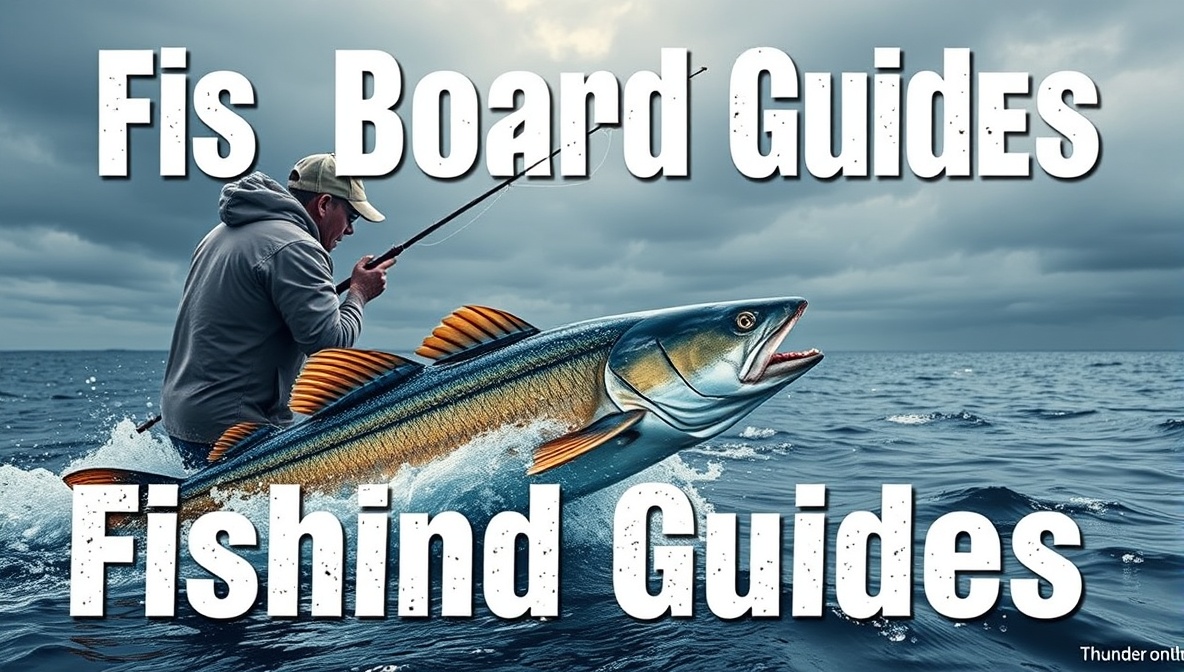
Booking a charter along the Gulf Coast shouldn’t feel like guesswork. If you’ve been searching for fishing guides by thunderonthegulf, you’re likely trying to figure out what a trip actually costs, which captains run these charters, what species you can expect to catch, and how to book without getting stuck with vague, recycled information. This guide answers all of that directly, with real planning details instead of filler.
What Are fishing guides by thunderonthegulf
fishing guides by thunderonthegulf refers to a network of licensed charter captains operating along the Gulf Coast, offering inshore, nearshore, and offshore fishing trips for anglers of every skill level. Unlike a single boat operation, this group typically includes multiple captains, each with their own vessel, specialty species, and preferred fishing grounds.
What separates a professional operation from a casual weekend charter is licensing, local knowledge, and consistency. A legitimate Gulf Coast guide should hold a valid U.S. Coast Guard captain’s license, carry proper insurance, and be able to speak specifically about tides, structure, and seasonal fish behavior in the exact area you’re fishing — not generic Gulf-wide statements.
If you’re comparing fishing guides by thunderonthegulf options, ask these three questions before booking:
- Is the captain USCG-licensed and insured?
- How many years have they run trips in this specific area?
- Can they name the exact species and structure type you’ll be targeting on your trip date?
Types of Trips Offered
Charter trips generally fall into three categories, and the right one depends on your experience level, budget, and what you want to catch. offers from thunderonthegulf .com
Inshore Fishing
Inshore trips stay in bays, estuaries, and marshes close to shore. These are the calmest and most beginner-friendly trips, ideal for families or first-timers.
- Typical species: redfish, speckled trout, flounder
- Trip length: 4–6 hours
- Boat type: shallow-draft flats boats or bay boats
- Best for: kids, beginners, light-tackle fishing
Nearshore Fishing
Nearshore trips run roughly 3–10 miles offshore, targeting reefs, wrecks, and artificial structures without the longer runs of a full offshore trip.
- Typical species: king mackerel, Spanish mackerel, sheepshead, mangrove snapper
- Trip length: 5–7 hours
- Boat type: center console, 24–30 feet
- Best for: intermediate anglers wanting more variety
Offshore Fishing
Offshore trips head well beyond sight of land, chasing bigger, harder-fighting fish over longer runs.
- Typical species: red snapper, grouper, cobia, occasionally marlin or tuna during season
- Trip length: 8–10+ hours
- Boat type: larger center consoles or sportfishers, 30+ feet
- Best for: experienced anglers, bucket-list trophy fishing
Trip Comparison Table
| Trip Type | Distance from Shore | Duration | Target Species | Skill Level | Typical Price Range |
|---|---|---|---|---|---|
| Inshore | 0–3 miles | 4–6 hrs | Redfish, trout, flounder | Beginner | $400–$650 |
| Nearshore | 3–10 miles | 5–7 hrs | King mackerel, snapper, sheepshead | Intermediate | $650–$950 |
| Offshore | 10+ miles | 8–10+ hrs | Red snapper, grouper, cobia | Advanced | $1,000–$2,200+ |
Prices vary by boat size, group size, and season. Always confirm current rates directly with the captain before booking.
Choosing the Right Fishing Guide
Not every captain fishes the same way, and matching your goals to the right guide matters more than picking the first listing you find. When researching fishing guides by thunderonthegulf, compare operators on these factors:
- Specialty species — some captains focus almost entirely on snapper and grouper, others specialize in light-tackle redfish
- Boat size and comfort — larger boats handle rougher water better but may feel less personal for small groups
- Group size limits — most charters cap at 4–6 anglers per boat for safety and space
- Included gear — confirm whether rods, tackle, bait, ice, and fishing licenses are provided
- Cancellation and weather policy — Gulf weather changes fast, so ask what happens if conditions turn unsafe
What’s Usually Included
- Rods, reels, and tackle
- Bait
- Ice for your catch
- Basic safety briefing and gear
What You Should Bring
- Sunscreen and a hat
- Polarized sunglasses
- Non-slip shoes
- Water and snacks
- Motion sickness medication if needed (especially for offshore trips)
Best Time of Year to Fish the Gulf
Timing affects both what you’ll catch and how comfortable your trip will be. Here’s a general seasonal breakdown for planning around fishing guides by thunderonthegulf trips:
| Season | Water Conditions | Best Species |
|---|---|---|
| Spring (Mar–May) | Warming water, stable weather | Redfish, speckled trout, cobia |
| Summer (Jun–Aug) | Warm, calmer mornings, afternoon storms common | Red snapper, king mackerel, mahi-mahi |
| Fall (Sep–Nov) | Cooling water, strong bait movement | Redfish, flounder, Spanish mackerel |
| Winter (Dec–Feb) | Cooler, clearer water | Sheepshead, speckled trout, black drum |
Spring and fall are widely considered the most productive windows because water temperatures sit in a comfortable range for both fish activity and angler comfort. Summer mornings are still strong for offshore species, but afternoon thunderstorms are common and trips are often scheduled to return before midday heat and weather roll in.
Regulations and Conservation
Gulf Coast fishing is governed by state and federal regulations that change by species and season. Before booking with any of the fishing guides by thunderonthegulf network, it’s worth confirming:
- Current size and bag limits for your target species
- Whether a state fishing license is required or included in your charter
- Red snapper season dates, which are set annually and can be short
- Catch-and-release best practices for undersized or out-of-season fish
Licensed captains are required to know and follow these limits, and a good guide will explain them to you before the trip starts rather than leaving you to figure it out on the water. Responsible catch handling — proper venting or descending devices for deep-water species, quick releases, and barbless hooks when required — helps keep Gulf fish populations healthy for future seasons.
Sample Trip Itinerary
Here’s what a typical half-day inshore trip with fishing guides by thunderonthegulf looks like from start to finish:
- 6:30 AM – Arrive at the dock, meet your captain, safety briefing
- 6:45 AM – Load gear, head out to the first fishing spot
- 7:00 AM–10:30 AM – Active fishing across 2–3 locations based on tide and bite activity
- 10:30 AM – Head back to the dock
- 11:00 AM – Fish cleaning and bagging, trip wrap-up
Offshore trips follow a similar structure but start earlier (often before sunrise) and include a longer run time to reach productive structure.
How to Book
Booking with fishing guides by thunderonthegulf typically follows this process:
- Contact the operator directly by phone or online booking form
- Choose your trip type, date, and group size
- Pay a deposit to secure your spot (usually 25–50% of total cost)
- Confirm gear, meeting location, and weather policy a day or two before your trip
- Pay the remaining balance on the day of the trip, plus gratuity if you’re happy with the service
Booking early is especially important during peak spring and fall weekends, when the most experienced guides fill up weeks in advance.
Frequently Asked Questions
Do I need a fishing license?
In most cases, your charter’s fishing license covers everyone on board, but confirm this directly with your guide before the trip.
What if the weather is bad on my trip day?
Most reputable operators will reschedule or refund your deposit if conditions are unsafe, though policies vary by captain.
Is this a good trip for beginners?
Yes, inshore trips are specifically designed for beginners and kids, with lighter tackle and calmer water.
How many people can join one charter?
Most boats accommodate 2–6 anglers, though this depends on the specific boat size and captain.
Do I keep the fish I catch?
Yes, you typically keep legal-sized fish within daily limits, and most trips include cleaning and bagging your catch.
How far in advance should I book?
Booking 2–4 weeks ahead is recommended, especially for weekend trips during spring and fall.
What’s the difference between inshore and offshore trips?
Inshore stays in calm, protected water close to land, while offshore trips run further out for bigger, deeper-water species.
Final Thoughts
Choosing the right charter comes down to matching your experience level, budget, and target species to the right captain and trip type. fishing guides by thunderonthegulf offers options across the full range — from calm, beginner-friendly inshore trips to serious offshore runs for trophy fish. The best results come from asking direct questions before you book: confirm licensing, ask about included gear, check the cancellation policy, and pick a trip type that actually matches what you want out of the day. With the right preparation, a Gulf Coast fishing charter delivers exactly what most anglers are chasing — a productive, well-guided day on the water.